

When I fell in love with beekeeping, researching the different types of honey that I could produce became an obsession. Clover honey is considered one of the most popular types of honey and I wanted to know the best way to produce it and how to consume it. In this post, I will share with you what I have learned about clover honey and how is different from other types of honey – raw and regular.
So what is clover honey? Clover honey is produced by the bees with clover as their primary floral source. As we know, bees need water and floral sources to extract the nectar that they need to produce honey, and clover is one of their favorite flowers. In fact, this type of honey is so popular among consumers that most of them identify the characteristics of the clover honey as the standard taste, texture, and color of honey. Clover honey can be both raw or regular depending on how it was processed.
But it just takes a Google and Amazon search or standing in front of a supermarket shelf to understand that there are so many types of honey, floral sources, colors, health benefits, etc. “Do I buy the one that says Raw Clover Honey or the one that says Clover Honey?” How can I know the difference?
Characteristics Of Clover Honey
One of the best ways to know if the honey you are consuming is in fact what was promised in the label of the honey jar you bought, is to know what experts call the “sensory characteristics” of the honey, in case of the clover honey, these are the main characteristics of the product:
- Color: extra light amber or white depending the moment of the harvest
- Aroma: Flowery aroma that invites to taste it.
- Taste: Light and mild, it tastes very good with a delicate flavor and sweet
- lingering aftertaste in the mouth. It also has a fresh hay aftertaste.
- Texture: Clover Honey crystallizes very fast compared with other types of honey. The reason is that Clover honey has higher levels of glucose than fructose. Crystallization doesn’t mean that you can’t consume it, in fact, honey doesn’t have an expiration date, like most of the food. It just means that you are going to sense small crystals in your mouth. One tip that I learned as a beekeeper and honey enthusiast is that if the honey crystallizes it means that you are consuming real honey, with pollen and health benefits included.
There are different types of clover and the health benefits that the clover honey depends on if the nectar came from red clover or white clover. The health benefits of clover honey are:
- Antiseptic
- Diuretic
- Depurative
- Antidiarrheal
- Expectorant
Raw vs Regular Honey – What Is The Difference?
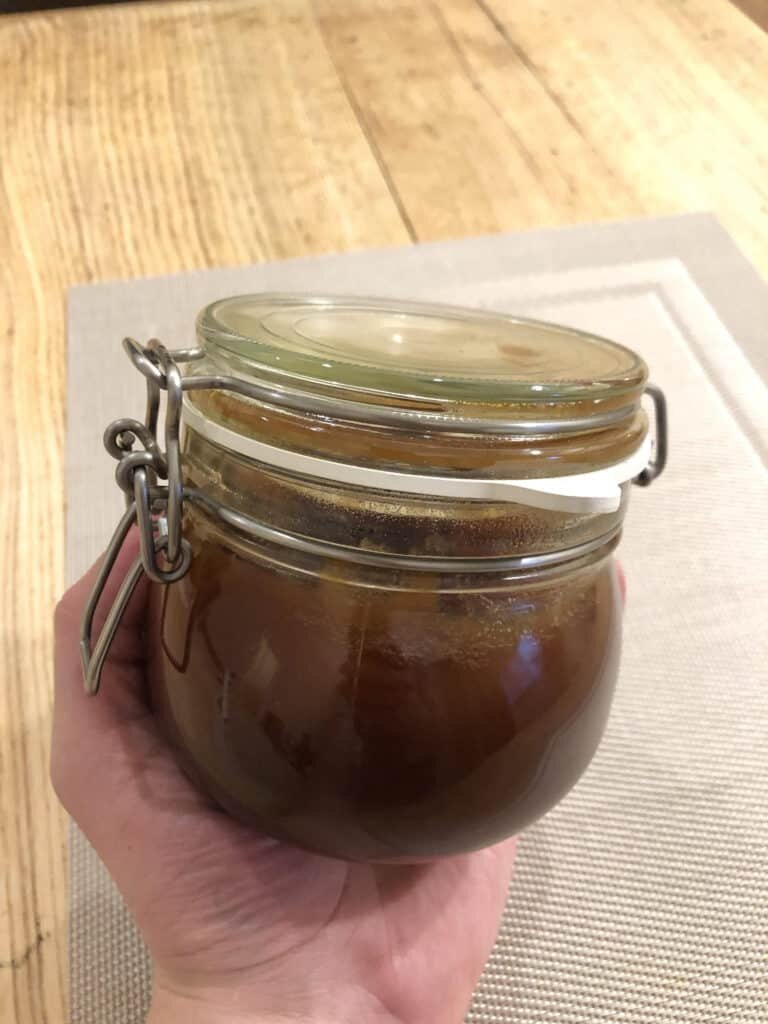
Before submerging myself into the beekeeping world, my understanding of honey was that it came from bees, it was sweet and delicious and that I could spread it on my toast or pour it in my pancakes. When I started beekeeping understood that the honey that I was producing was different than some of the honey that I bought in the past.
And this difference came in the way the honey was treated. Regular or commercial honey that you can find at the store has been pasteurized (this means that the honey was heated at 158 degrees F or more followed by a fast cooling). This practice is used by most honey packers with the main purpose of an easy bottling and to make the honey look cleaner and slow down the process of crystallization.
But this practice destroys the vitamins, antioxidants, minerals and antibiotic properties that can be found in honey in the process. You can read more in my post Why is Honey Pasteurized?
Raw Honey is presented the way it came from the beehive and is not pasteurized. Raw honey is a superfood and has pollen, vitamins, antioxidants, and properties that make it a very sophisticated product and the benefits can’t be replicated.
Where to Buy Raw Clover Honey?
So, the best source for getting raw clover honey would be your own beehives. But I guess not everyone keeps bees, right? If you don’t you have two alternatives: 1) buy it from a local beekeeper 2) buy quality honey online.
I cannot recommend local beekeepers particularly in your location but when it comes to online shopping, I have tried quite a few suppliers. And the one that really stood out was “The Queen Bee”. It tasted great and it was raw, natural and without any added sugars. If you are thinking of buying clover honey, give it a try – check the price and reviews on Amazon.
How Can We Avoid The Crystallization Of Raw Honey
In case you decided that raw honey is the way you should consume clover honey but want to avoid the crystallization process. Well, you can´t. Honey is made out of 70% sugar and about 20% of water. As the water evaporates, the glucose takes the form of crystals.
In other types of honey where the fructose is higher than the glucose, the crystallization process does not happen, but as we said before, clover honey has higher levels of glucose than fructose. But you can slow down the crystallization process by taking these measures at the moment to store the raw clover honey:
- Avoid low temperatures: the fridge is not an option to store honey. The honey can even crystallize in the beehive when we have low temperatures. Store your honey at room temperature or warmer (the warmer the better).
- Glass or plastic jars: you can find clover honey packed in both. But glass is definitely the way to go. Moisture affects crystallization and glass jars are better at keeping moisture away from your honey.
What to eat clover honey with?
Honey can be consumed in many different ways. Most of us have been consuming honey as a healthy option to mix up in our breakfast. As a spread or with cereal. Here are some suggestions that can improve the experience with this superfood:
- If you are choosing clover honey for medicinal purposes, you can use it as a sweetener of the herbal tea of your preference.
- Clover honey is the perfect sweetener for your coffee.
- The combination of the subtle flavor of the clover honey with a strong flavored cheese is something that is worth trying. Clover honey with blue cheese or Gouda.
- A healthy and low-calorie dessert: a roasted pear or apple with clover honey and nuts.
- As a face mask!: yes, I know. Honey properties are great for all types of skin, but it has great healing and moisturizing properties. You can mix it with Aloe Vera, with avocado or yogurt and create amazing face masks.
Bees And Clover: A Long And Productive Relationship
It is no coincidence that the world main producers of clover honey are the United States, New Zealand, and Canada. All countries with a strong livestock industry. Clover is one of the most important components of the green pastures used to feed cows, sheep, and horses. It grows in a great range of soils and climates, enriches the soil and prevents erosion. The clover is drought and cold tolerant.
Farmers have been choosing clover as a pasture for centuries. Clover is a perennial herbaceous plant, that grows annually, produces an abundant crop, and grows freely, even after being repeatedly mowed. It is very nutritious for the livestock and is also used in agriculture to restore and fixates key elements like nitrogen reducing the need for synthetic fertilizers.
The good news for beekeepers is that some studies have found that adding honey bees can significantly increase yields in clover seed crops. Besides, the most used species of clover are self-sterile so insect pollinators are needed for successful seed set. And the clover nectar is very attractive for the bees.
The relationship between farmers, beekeepers, and bees, it’s a win, win, win. Farmers get their crops pollinated, beekeepers get their honey, and bees get their nectar.
How can you harvest clover honey
The standard procedure to pollinate clover crops, and extracting the desired clover honey in the meantime, is to place the beehives on the field. It depends on the climate of where the field is placed, but in general, at the end of winter and the beginning of the spring is the right time to place the beehives on the field. When you are ready to harvest, check out my post about how to do it in a way you don’t hurt your bees – how to harvest honey.
How do you know how many colonies are needed to pollinate a field of clover
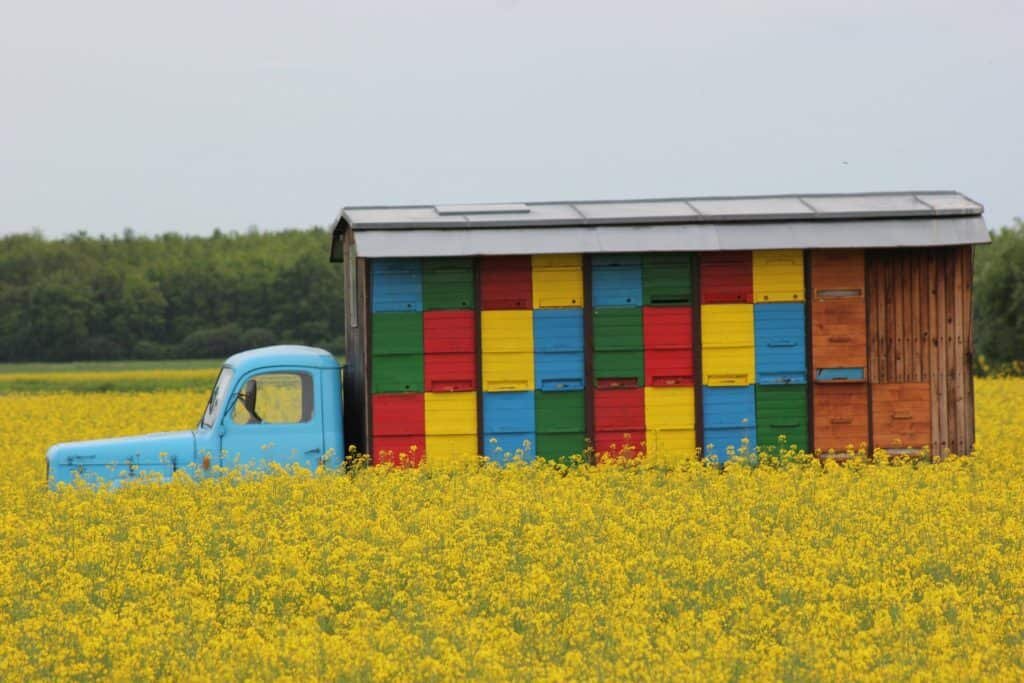
Studies show that depending on the type of clover, the standard number of colonies needed to pollinate a hectare of clover are between 2 and 8.
Big farmers and commercial beekeepers, in general, have a long established commercial relationship that benefits both of them. If you are a small beekeeper or someone who practices beekeeping as a hobby, maybe you don’t have access or the resources to pollinate those big clover fields.
One interesting way of producing clover honey is to plant clover in your yard. It is good for the quality of the soil, and like I explained before it produces an abundant crop.
Last summer, the British Beekeeping Association launched a very successful social media campaign to bring awareness that bees are an endangered species and one of the proposals was to plant clover in house yards and gardens. People would share pictures of their yards under the save the bees hashtag. I encourage you to do the same even if you do not keep bees!
Give it a try, you will fall in love!
I really hope that my post was helpful and to inspire you to taste the clover honey and produce it. And if you are not a beekeeper, I hope you can admire these amazing creatures called bees, that are in danger, and appreciate the amazing contribution they have in the way we produce our food and how we consume it.
If you have any questions or comments about this post, please leave one below or get in touch with me via the contact form.
Keep Buzzing,
