
A dearth in beekeeping is something which every beekeeper, from the least to the most experienced, needs to be aware of. A dearth can be extremely devastating if it affects your colony. Beekeepers have a special relationship with their bees and do everything they can to ensure the survival of their colonies. A dearth in beekeeping is something that even the most careful beekeeper cannot control.
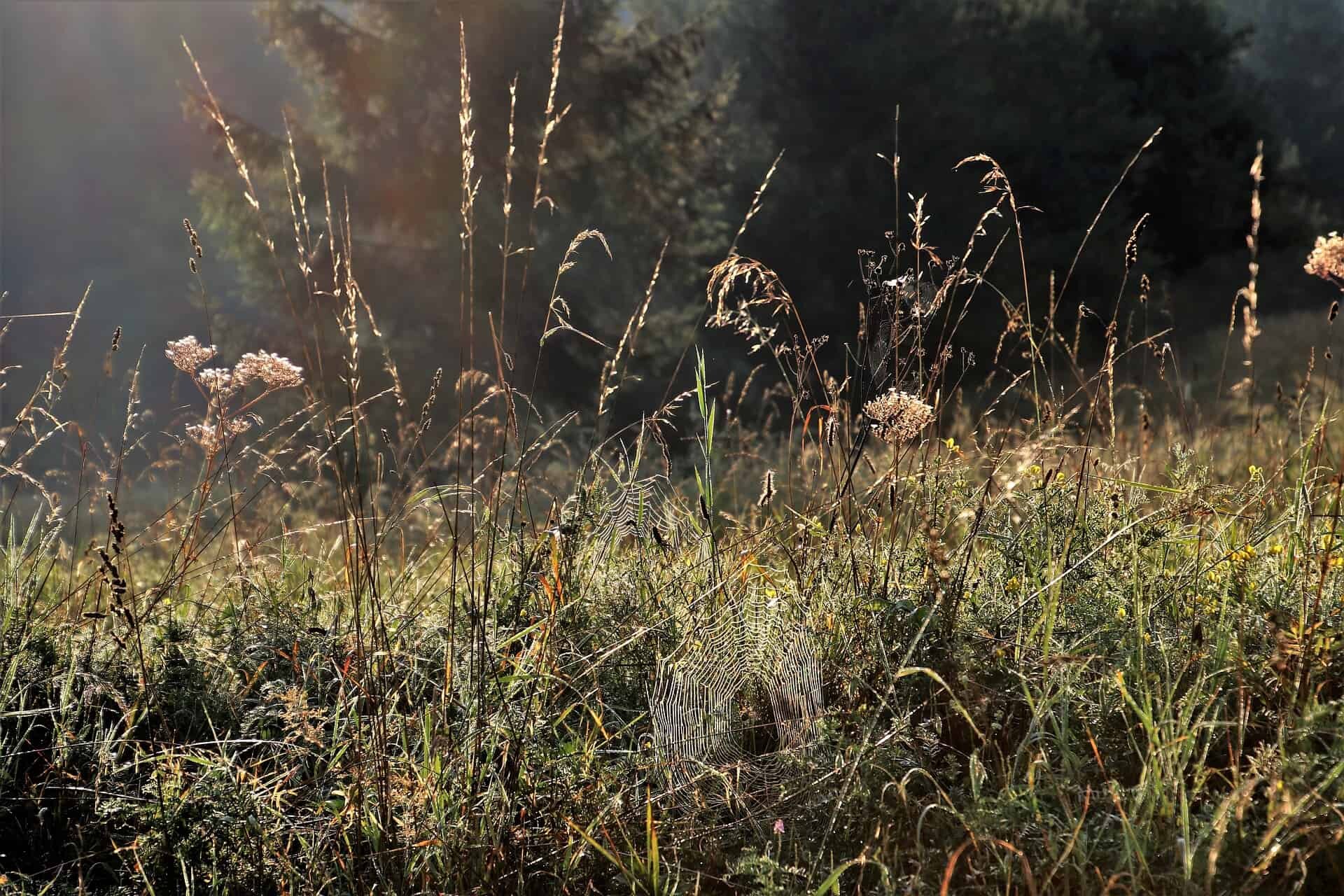
What is dearth in beekeeping? It is a shortage of plants and flowers producing nectar and the bees cannot find enough of the flowing nectar which they need to survive. Nectar can be reduced because of dry conditions caused by little to no rainfall and high temperatures. A dearth in beekeeping is devastating to a colony because there is less food to feed the bees.
Just like with other aspects of beekeeping, a dearth is predictable to a point, but impossible to pinpoint because of changing conditions. The two most common times to see dearth are in the winter due to the extreme cold and the summer because of the extreme heat. Depending on your climate and where you live, bees may be at risk of a dearth at different times during these seasons and it’s important to be aware of the signs of a dearth.
Spotting a Nectar Dearth
If you are a person who has ever even been around bees, it is likely that you observed some of the signs of a dearth, but were unaware of what it was called. There are some telltale signs when a dearth in beekeeping is occurring including:
- You’ll hear your bees…you’ve already heard them, but they will be even louder as they may exit the hive and seem more bothered.
- You’ll also see some changes in your bees – they will start flying lower to the ground, checking flowers more than once, and going to flowers they typically fly right over. They will also be flying more slowly as they are curious and trying to find whatever nectar sources exist.
- Bees will become more annoying and aggressive. They are likely to try to find new sources of nectar like that peanut butter and jelly sandwich at the picnic or the new perfume your Aunt Kathy is trying out.
- Other bees will come to your hives and attempt to steal nectar that hasn’t been sealed in the honey combs and turned into honey yet.
What to Do During a Nectar Dearth
While you are somewhat powerless during the dearth as you do not control the weather and cannot force the flowers to produce more nectar, there are some things beekeepers can do to anticipate a dearth. One of the most important things a beekeeper can do to make sure the bees do not run out of food is to not completely drain the hive when you are harvesting honey. Especially if you harvest in the spring, be sure to leave a decent amount in reserve in case of a dearth.
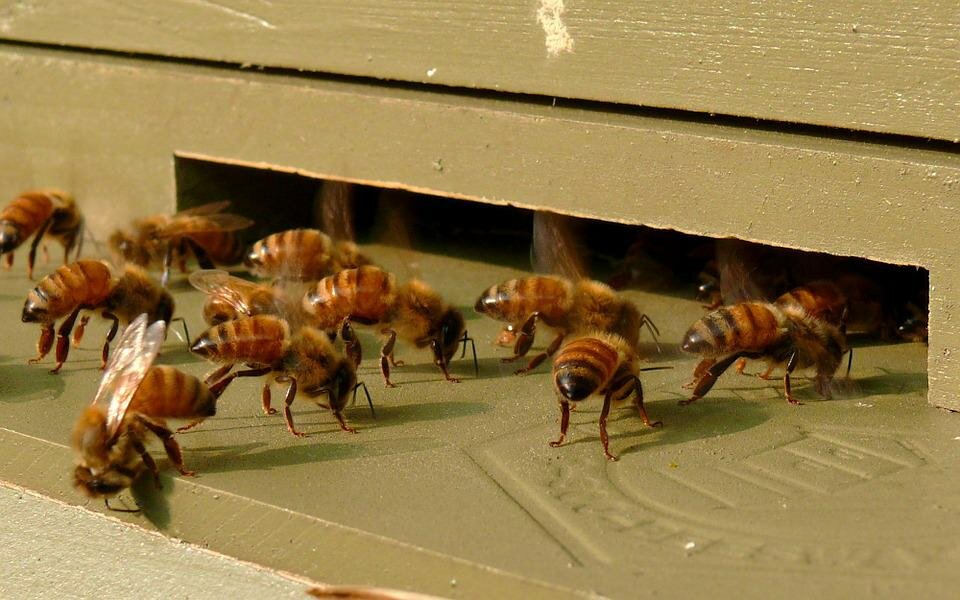
During the dearth, it is important to check any entrances to the hive. You’ll want to minimize the number of entrances and also make sure the entrance is small. This will make it harder for the foreign honey bees, yellow jackets, and wasps to enter your hive and rob it. Honey bees aren’t the only ones left hungry during a dearth.
You will also have to decide if you are going to feed your bees. While extreme conditions (think a long-lasting drought and heat wave) may require this, it can backfire. The sugary syrup that you place out for your bees may sound the alarm for the foreign bees to come and rob your hive of any remaining nectar. If you do feed them, it is best to get the food into the hive as opposed to setting it outside of your hive.
While your bees are experiencing a nectar dearth, you will want to increase the number of hive inspections you are performing. Because many of the bees will be staying in the hive and not out exploring for nectar sources, they can run through their remaining honey at a fast pace. You will want to check daily, if possible, to make sure your bees have enough to survive.
Once the nectar stores inside the hive are depleted, you will have to begin supplementing their diet. Checking to make sure your queen bee looks healthy and for any signs of damage to your hive are also important. You’ll want to make this inspection as quickly as possible so you do not allow other bees or wasps to rob your hive.
When you are looking ahead to next year, it’s important to consider that a nectar dearth is very likely to happen again. Each summer, the conditions which cause dearth are present. There are some plants which you can add to your landscape which will provide your bees with nectar through the summer.
A lot of beekeepers and gardeners rely heavily on flowers which bloom in the spring. This gives the bees a great jump start, but once these plants are finished flowering, the bees are left high and dry. Look to add plants that bloom in the summer to your garden. Examples include dahlias, poppies, mint, and oregano. They will add a splash of color to your summer garden and go a long way in helping bees avoid a dearth with devastating effects.
What Not to Do During a Nectar Dearth
There are several things you should definitely not do during a nectar dearth:
- Do not attempt to harvest any honey, no matter how badly you want it, it will only increase the possible damage to your bee colony.
- Do not place additional feeders around your property. While this may keep the bees busy flying from feeder to feeder, it will attract unwanted bees who will be more likely to rob your hive.
- Do not leave your hive open for longer than 5 minutes. If, while you are inspecting your hive, you do find a problem, close your hive while you figure out what you are going to do. Under no circumstances should you leave your hive open and walk away. This would be an open call for robbers.
Related Questions
Which is worse, a summer or winter nectar dearth? While reading about nectar dearth, you may be wondering, “doesn’t this happen every year over the winter?” And, the answer to that is, “Yes!” There is one big difference between the two; both beekeepers and honey bees are prepared for the long winter. The honey bees instinctively know how to get ready for the dearth that will come upon them due to the freezing temperatures. The beekeepers know not to drain all of the honey at the end of the season and inspect the hives somewhat regularly to prevent damage.
Summer nectar dearth in beekeeping tend to have more devastating effects. Especially if one is new to beekeeping, he or she may not even know to look out for this issue and the hives can really suffer. As long as the beekeeper is aware of the signs of nectar dearth and knows what to do (and what not to do!), typically hives can survive, but may not be quite as strong once the dearth is over.
What plants produce the most nectar?
- Winter/Early Spring: Winter Aconite, Snow Drops, Heather, Witch Hazel, Winter Jasmine
- Spring: Dandelions, Pussy Willows, Raspberry, Wild Lupine, Virginia Waterleaf
- Summer: Prairie Rose, Mint, Butterfly Milkweed, Bergamot, Sunflower
- Late Summer/Fall: Aster, Goldenrod
What do you feed your bees? There are several options from which to choose if you are at the point where you need to feed your bees for survival. If you have some honey left from a harvest earlier in the season, you can put some of that inside for the bees to find and dine on. If not, do not fear, there are still ways to feed your bees. Some beekeepers mix up some sugar water and give that to their bees. The concentration is either 1 part sugar to 1 part water or 2 parts sugar to 1 part water, depending upon what the bees need. If you are simply supplementing their stores, you will want to go with the thinner, 1:1 concoction. If your bees’ supply of food is so low that they are not able to feed on it, you’ll want to give them the thicker, 2:1 mixture.
When making sugar syrup for your bees, you’ll want to boil the water, but not once the sugar is added. If sugar boils, you’ll run the risk of it crystallizing which is not opportune for the bees. Other beekeepers prefer to add plain white table sugar to their hives. The honey bees then forage for sources of moisture and bring some back to the hive to mix with the dry sugar.
Keep an eye on your bees and you will be fine
Truth be told, all of us who keep bees have faced dearth. And all of us have survived it one or other way. It is important to know how to identify it and how to help your bees when it comes.
I hope that this article gave you an understanding of what dearth is and what to do when it comes. If you have questions or comments, you can leave those below or reach out to me via the contact form.
Keep buzzing!